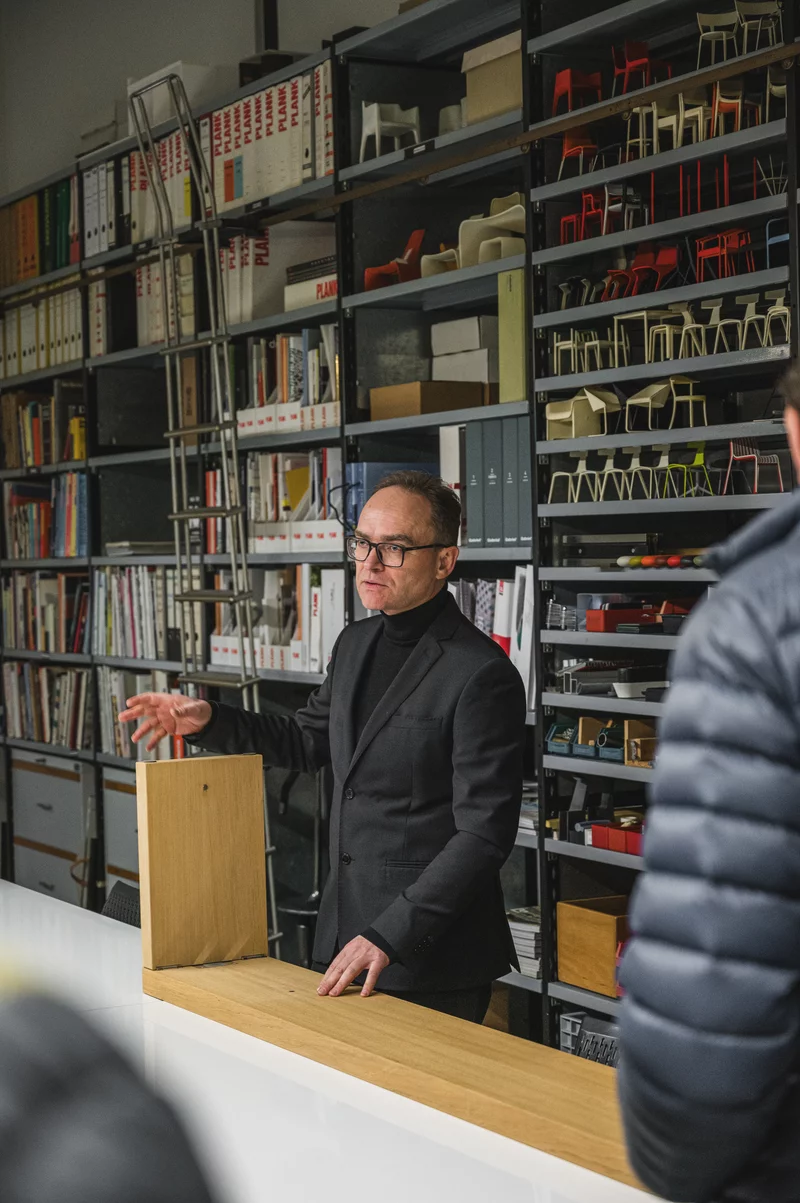
1883: Foundation in Bolzano
Karl Plank founds a furniture workshop in Bolzano. From the beginning it makes furniture for homes as well as for hotels and restaurants.
PLANK’s history reflects a continuous dialogue between craftsmanship, architecture and industrial innovation.
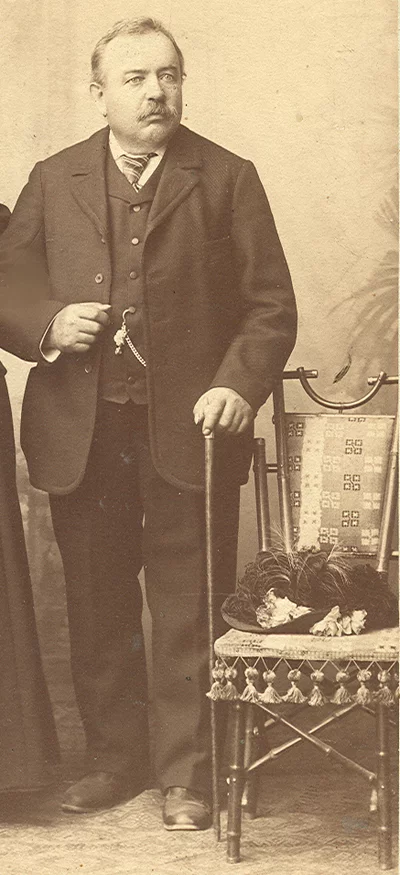
Karl Plank founds a furniture workshop in Bolzano. From the beginning it makes furniture for homes as well as for hotels and restaurants.
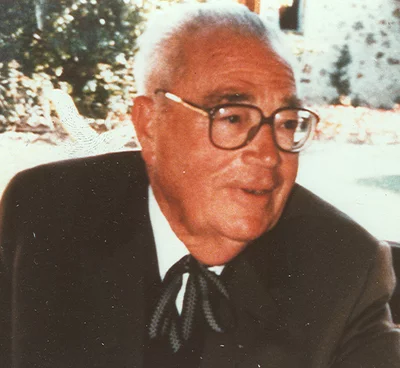
Karl Plank Jr. takes over the workshop. By then PLANK is known throughout the region for furniture of high quality.
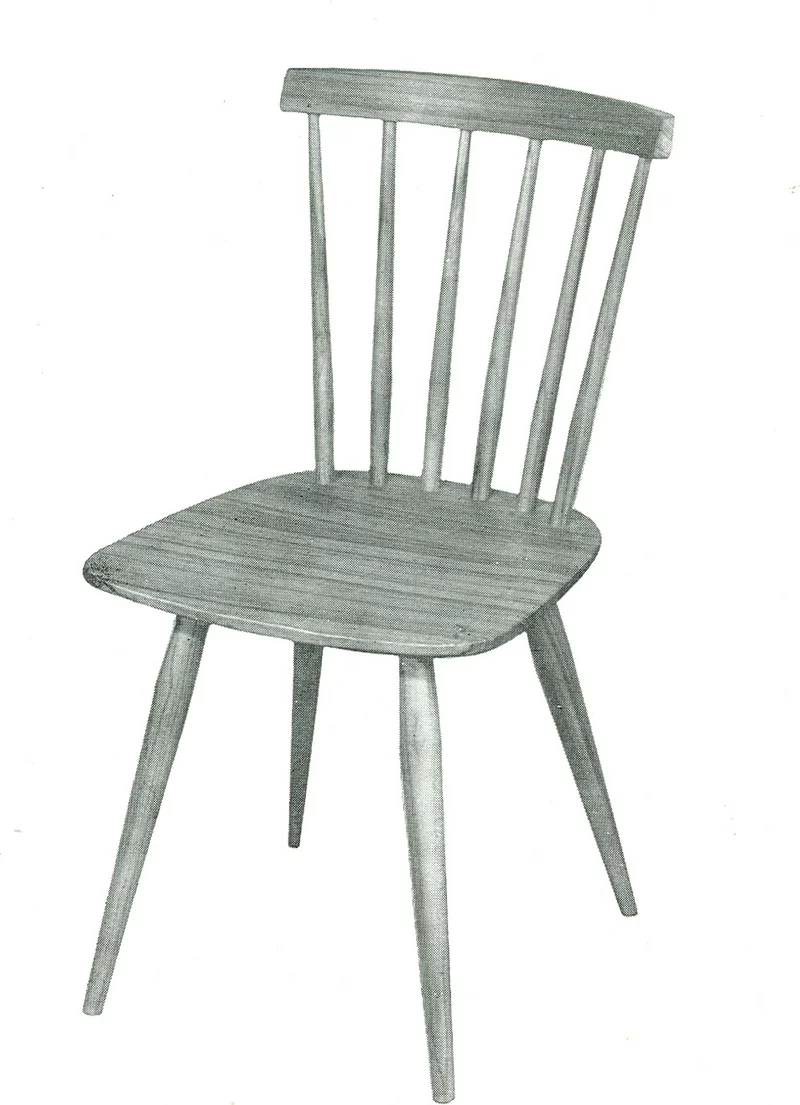
PLANK decides to concentrate on chairs made from local solid wood. The first models go into series production under the name Dolomit.
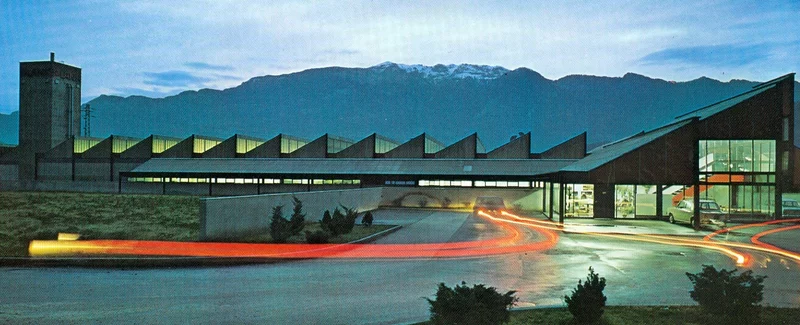
Under Martin Plank Sr., chairs become the company’s core expertise. In 1969 PLANK moves into a new factory in Ora, designed by the architect Othmar Barth, which takes serial production to a new scale.
PLANK builds its own machinery, refines its production and secures several patents.
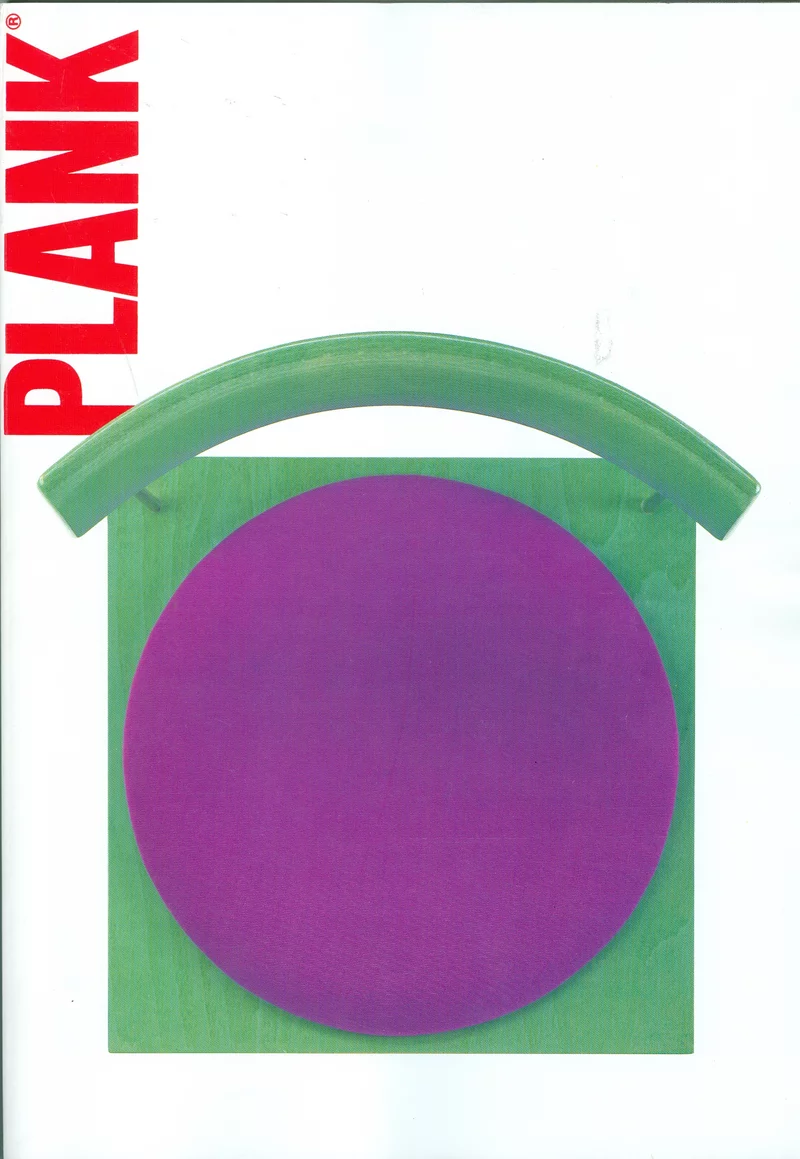
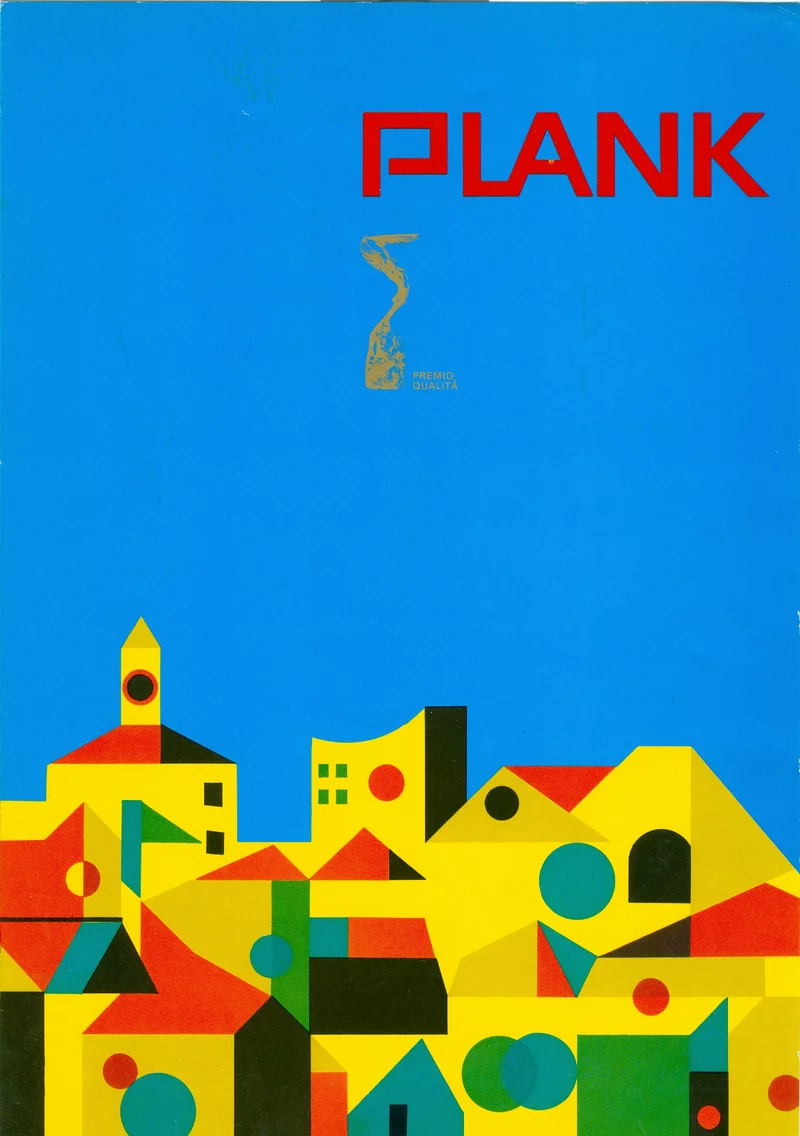
Early PLANK catalogue covers
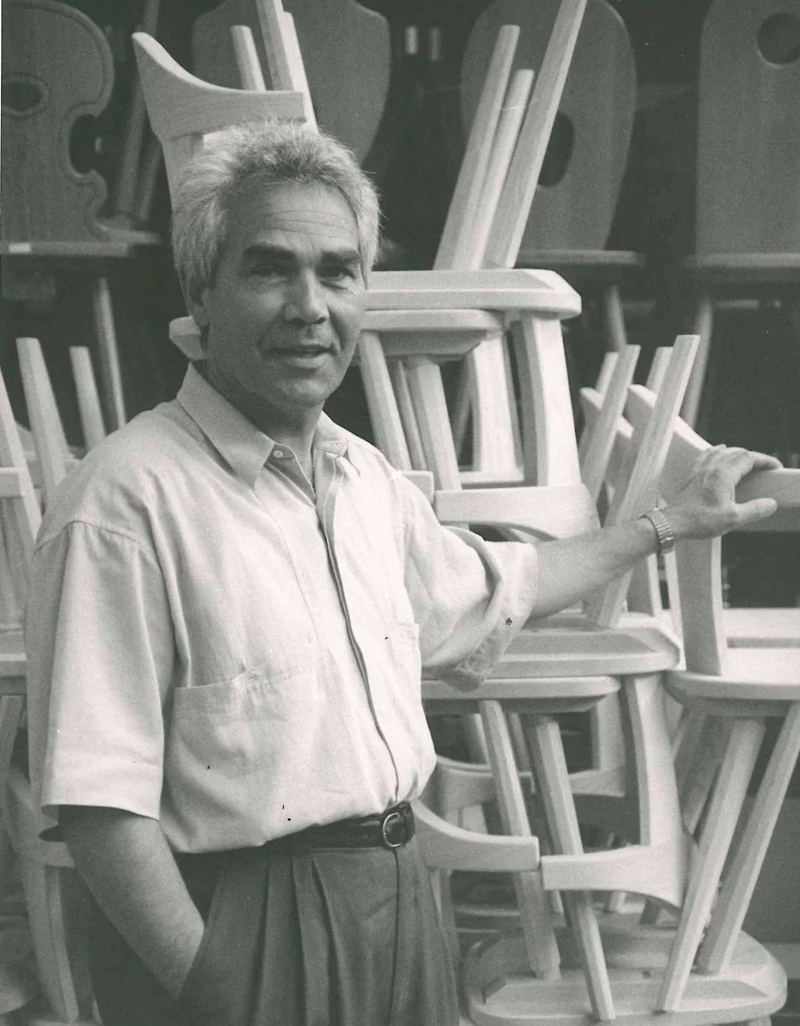
The solid-wood farmhouse chair becomes a brand: every seat carries the registered mark ORIGINAL PLANK, branded into its underside. More than 1.5 million chairs of a single model leave the factory, and PLANK becomes market leader in northern Italy, Austria, southern Germany, Switzerland and parts of the French Alps.
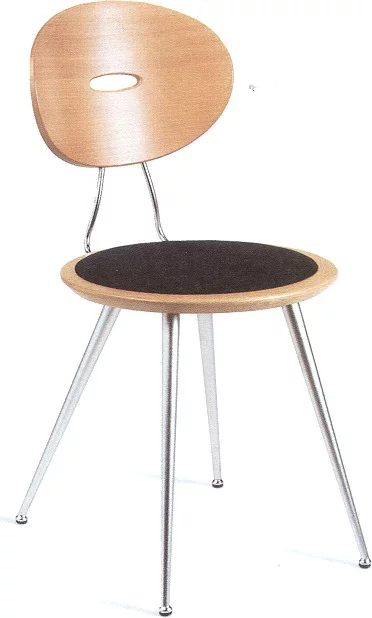
With the Swiss designer Bruno Rey, PLANK combines its solid-wood heritage with steel. The Eliss chair translates traditional craftsmanship into a contemporary industrial language and becomes one of PLANK’s most successful products.
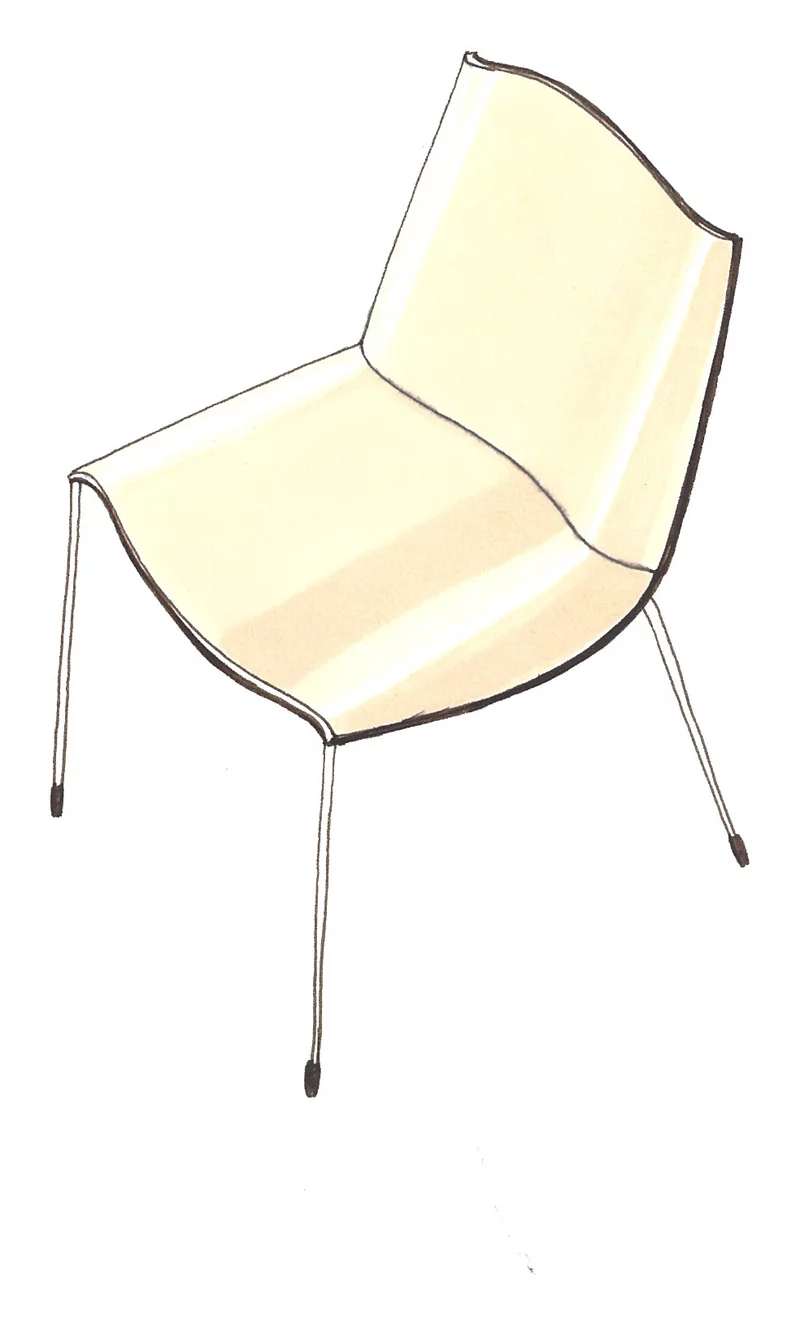
In 1996 PLANK meets Biagio Cisotti and Sandra Laube from Florence. A year later their chair MILLEFOGLIE marks the breakthrough and the beginning of PLANK’s international path; Biagio Cisotti later becomes art director.
In 1997 Michael Plank joins the company. With his father, Martin Plank Sr., he repositions PLANK: from now on, ideas lead production, not the other way round.
Work with Konstantin Grcic begins in 2003. Two years later MIURA is presented at the Salone del Mobile in Milan: a stackable bar stool made of injection-moulded polypropylene. It becomes one of PLANK’s best-known products, and in 2006 the Museum of Modern Art in New York adds it to its collection.
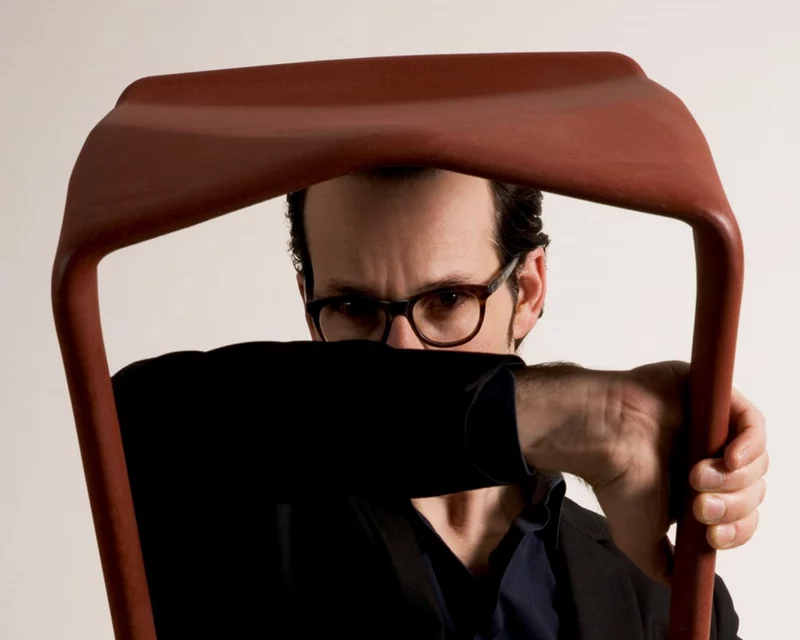
MYTO, a cantilever chair by Konstantin Grcic made in a single piece, is presented in 2008. In 2011 it receives the XXII Compasso d’Oro ADI.
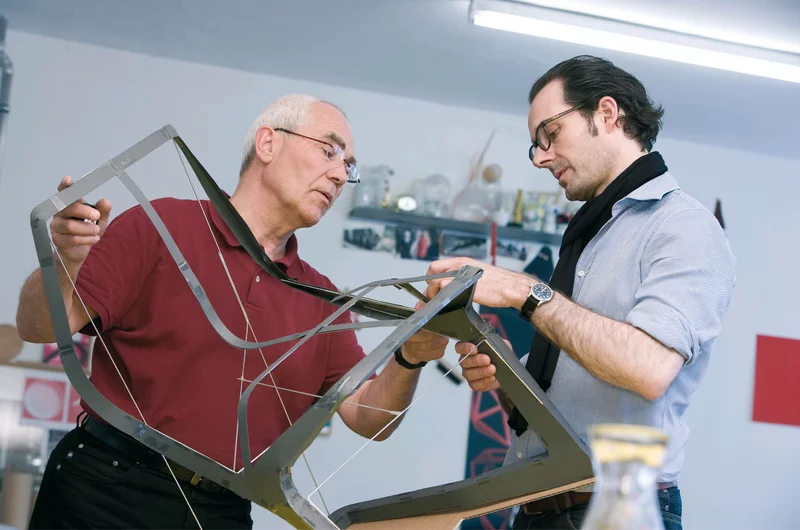
Today PLANK brings together five generations of expertise: a deep knowledge of solid wood, continuous technical innovation, architectural thinking in product development and a clear, contemporary design language.
Led by Michael Plank, the company works with designers such as Konstantin Grcic, Naoto Fukasawa, Björn Dahlström and Cisotti + Laube, and with architects and interior designers around the world.